
The Allure of Casino Gambling
Casino gambling is often viewed through a lens of thrill and excitement, drawing in individuals from various walks of life. This allure is largely psychological, stemming from the innate human desire for risk and reward. The bright lights, loud noises, and vibrant atmospheres of casinos create an environment that stimulates the senses and evokes a sense of adventure. For those seeking a unique experience, payid casino offers innovative ways to enjoy gaming while the possibility of winning substantial sums of money adds to this magnetic pull, encouraging players to step up to gaming tables and slot machines despite the inherent risks.
Moreover, the psychology behind the design of casinos plays a significant role in attracting gamblers. Many casinos employ intricate architectural designs that promote exploration and engagement. The layout often includes winding paths, avoiding direct routes to exits, which keeps patrons inside longer, heightening their chances of gambling more. The experience is engineered to heighten excitement and diminish the perception of time, encouraging players to remain engaged for extended periods.
This psychological manipulation is complemented by the concept of variable rewards, which is the backbone of slot machines and other gaming options. When players receive occasional wins, it reinforces behavior and creates an addictive cycle of hope and anticipation. This phenomenon, known as the “gambling effect,” feeds into the gambler’s psyche, making every spin or hand dealt a potential pathway to fortune. The unpredictable nature of these rewards keeps players coming back, as they are always hoping for the next big win.
The Emotional Experience of Gambling
Engagement in gambling activities often triggers a whirlwind of emotions, which can be both exhilarating and devastating. The thrill of a win can lead to euphoria, creating an emotional high that players chase repeatedly. Conversely, the sting of loss can evoke feelings of frustration, disappointment, and even guilt. This emotional rollercoaster significantly influences a gambler’s decision-making process and their overall gaming experience, often leading them to chase losses in a bid to regain that initial high.
Additionally, social interactions within casinos impact the psychological framework of gambling. Many players engage in gambling as a social activity, enjoying camaraderie with fellow gamblers, friends, or even strangers at the gaming tables. This social aspect can intensify emotional responses, as shared victories can amplify euphoria while collective losses can lead to communal frustration. The resulting environment encourages continued participation, driven by both the desire to win and the need for social connection, fostering a sense of belonging among players.

Alongside these emotions, casinos often employ various strategies to promote a sense of loyalty and attachment among gamblers. Comp programs and loyalty rewards tap into the human psychology of belonging, motivating players to continue gambling in pursuit of future rewards. The anticipation of the next win, paired with emotional highs linked to social interactions, creates a powerful incentive that keeps players returning for more. This intricate balance between social engagement and personal achievement can lead to a profound connection to the gambling environment.
The Role of Cognitive Biases in Gambling
Cognitive biases are pivotal in shaping a gambler’s perceptions and decisions. One prevalent bias is known as the illusion of control, where individuals believe they can influence outcomes of games that are fundamentally based on chance. For instance, a player may think that a specific strategy can increase their odds, even in games of pure luck, contributing to an increased commitment to gambling, regardless of the statistical evidence. This belief can lead to a false sense of security that often fuels continued play.
Another significant cognitive bias is the gambler’s fallacy, which leads individuals to believe that past losses will be compensated by future wins, often resulting in increased betting. For example, after several losing hands at the blackjack table, a player might think they are “due” for a win, prompting them to wager even more. These cognitive traps can skew judgment and reinforce gambling behavior, making it difficult for individuals to recognize when it is time to stop. The allure of a comeback can often eclipse rational decision-making.
The impact of these cognitive biases extends beyond individual play, influencing how casinos market themselves and interact with patrons. Understanding these biases allows casinos to develop strategies that can enhance player engagement and prolong gaming sessions. By exploiting these psychological tendencies, casinos can create a more immersive experience, ensuring that players remain invested in their games for as long as possible. This environment is designed to maximize both excitement and profitability, often at the expense of the player’s self-awareness.
Risk and Reward: The Psychology of Betting
The thrill of wagering is deeply rooted in the concept of risk versus reward, a fundamental aspect of human psychology. Gamblers are often driven by the dual desire for excitement and the hope of financial gain. This paradoxical relationship means that while some players may understand the odds are not in their favor, the potential for a big win can overshadow rational thinking, pushing them to take risks they might otherwise avoid. The excitement of wagering can create an addictive cycle, where the highs of winning are chased at the expense of losing.
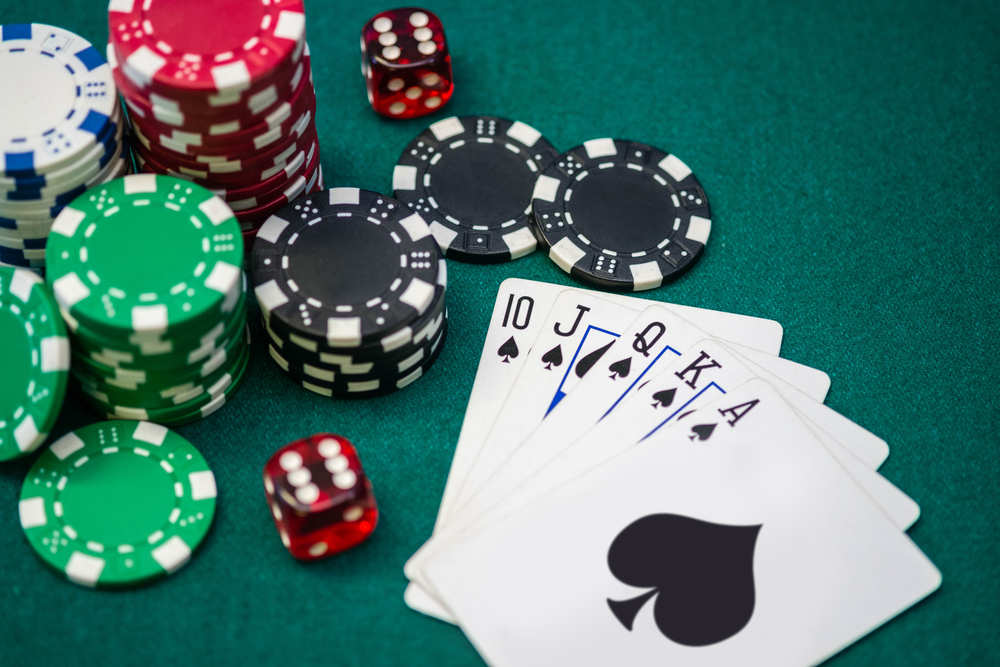
Moreover, the psychological framework of loss aversion significantly impacts gambling behavior. Research suggests that the pain of losing is often more intense than the pleasure derived from winning the same amount. Many gamblers continue to play in an attempt to recover from losses, illustrating how deeply intertwined loss and reward are in the gambling psyche. This compulsion can lead to a vicious cycle where players find themselves betting larger amounts in hopes of recouping previous losses, often leading to deeper financial and emotional troubles.
The complexity of risk and reward dynamics in gambling reveals why many individuals gravitate toward casinos despite the odds. The excitement of placing a bet and experiencing the suspense of the outcome taps into a primal part of human psychology, providing a temporary escape from everyday life. The blend of risk-taking and the allure of potential rewards makes gambling a compelling activity for many, leading them to engage repeatedly in search of that elusive win. This continuous cycle of risk and reward forms the core of many gambling experiences.
Understanding Gambling Behavior Through Online Resources
For those looking to delve deeper into the psychology of gambling, various online resources can provide a wealth of information. Websites focusing on gambling addiction, behavioral patterns, and responsible gaming offer valuable insights into why individuals engage in gambling activities. These platforms often feature articles, personal stories, and research findings that highlight the psychological aspects of gambling, enabling readers to understand their motivations or those of others better. The accessibility of these resources allows for a broader understanding of gambling behaviors.
Moreover, online forums and communities dedicated to gambling discussions can be beneficial for individuals seeking support or answers to their queries. Engaging with experienced gamblers or professionals in the field can shed light on gambling behavior and provide practical advice on managing risks. These interactions can foster learning and offer coping strategies for those who may struggle with gambling-related issues. Sharing experiences and knowledge can help individuals navigate their gambling journeys more effectively.
In conclusion, the internet serves as a vital tool for educating individuals about the psychological dimensions of gambling. By accessing reliable information and engaging with communities, gamblers can gain a better understanding of their behaviors and the effects of their actions. This knowledge empowers individuals to make informed decisions, ultimately contributing to a healthier and more balanced approach to gambling. Understanding the psychological underpinnings of gambling can lead to better choices and enhance overall well-being.